
Someone searches for churches in your area on Sunday morning. They find your website and click the link. Then they wait. And wait. After five seconds of staring at a blank screen, they hit the back button and try the next church on the list.
You just lost a potential visitor, and you’ll never know they were interested.
53% of mobile site visitors leave a page if it takes longer than 3 seconds to load. For churches, where 80% of people visit your website before attending in-person, a slow website isn’t just a technical annoyance—it’s a barrier to ministry.
Here’s why website speed matters more than you think, and what you can do about it.
The 3-Second Rule (And What Happens When You Break It)
Three seconds. That’s all the time you have before visitors start abandoning your church website.
Research shows that 53% of mobile visitors leave if a page takes longer than 3 seconds to load. But the damage starts even sooner. The probability of bounce increases 32% as page load time goes from 1 second to 3 seconds. By the time your site hits 5 seconds, you’re looking at a 90% increase in bounce rate compared to a 1-second load time.
The mobile reality is even worse. The average web page load time is 2.5 seconds on desktop but 8.6 seconds on mobile. Since more than 60% of all website traffic comes from mobile devices, that slow mobile experience is hitting most of your potential visitors.
First impressions happen fast. Studies show that 75% of visitors make judgments about a church’s credibility based on its website, and loading speed is part of that instant assessment. A slow website signals to visitors that your church might not be well-organized or tech-savvy enough to meet their needs.
How Speed Affects Online Giving
Website speed doesn’t just affect visitor retention—it directly impacts your church’s ability to receive donations online.
Website conversion rates drop by an average of 4.42% for each additional second of load time between 0 and 5 seconds. For online giving, this means that every extra second of delay costs you completed donations.
The math is sobering. Studies show that 70% of consumers say page speed impacts their willingness to buy from an online retailer. For churches, this translates directly to giving behavior—when donors experience slow loading times during the giving process, many will abandon their donation attempt rather than wait.
Quick improvements make real differences. Just a 0.1-second improvement in page load time can increase conversion rates by 8% for retail sites. While churches aren’t retail, the principle holds: faster giving forms mean more completed donations.
Google Punishes Slow Church Websites
Search engine rankings matter for churches trying to reach new visitors. 40% of people find churches in their area by searching Google, and website speed directly affects whether your church appears in those results.
Page speed is an official Google ranking factor. Google favors faster websites because they provide better user experiences. The average page speed of a first-page Google result is 1.65 seconds—significantly faster than most church websites.
Core Web Vitals matter. Since 2020, Google has used Core Web Vitals—metrics measuring speed, interactivity, and visual stability—as ranking factors. Churches with slow websites literally rank lower in search results, making it harder for seeking families to find them.
Mobile-first indexing amplifies the problem. Google now primarily uses the mobile version of websites for indexing and ranking. If your mobile site is slow, your search rankings suffer across all devices.
What Makes Church Websites Slow
Understanding the common culprits helps you address speed problems effectively.
Images are usually the biggest problem. On average, images account for 55.9% of a website’s page size. Churches often upload high-resolution photos straight from cameras without optimization, creating massive file sizes that slow everything down.
Sermon audio and video files add weight. While hosting sermons on your site is valuable ministry, large media files can significantly impact load times if not handled properly.
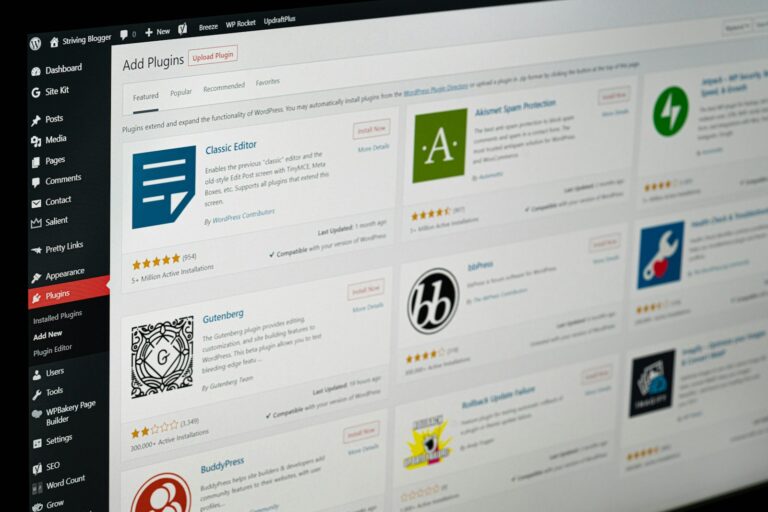
Too many plugins bog things down. While plugins add functionality, having too many can hurt page load time. Each additional plugin adds code that must be loaded and executed.
Poor hosting infrastructure. The quality of your hosting service and server infrastructure directly influences website speed, responsiveness, and reliability. Budget hosting with shared servers often can’t deliver the speed modern users expect.
Outdated code and themes. Old WordPress themes and plugins often contain inefficient code that modern versions have optimized. Staying current matters for speed.
Quick Wins: Speed Improvements You Can Make Today
You don’t need to be a technical expert to improve your church website’s speed. Start with these high-impact changes:
Optimize your images. Compress large images without sacrificing quality. Use JPEG for photos and PNG for graphics. Modern image formats like WebP can reduce file sizes by 25-35% while maintaining quality.
Implement lazy loading. This technique loads images only when they’re visible on the screen, dramatically improving initial page load time for pages with many photos.
Choose a fast web host. Ensure your web hosting provider offers fast, reliable performance. Quality hosting is the foundation of website speed—everything else builds on this base. Learn more about hosting that prioritizes speed and reliability.
Minimize plugins. Review your installed plugins and remove any you’re not actively using. Each plugin adds overhead that can slow your site.
Enable caching. Caching stores a version of your website so it doesn’t have to be rebuilt from scratch for every visitor, dramatically improving load times for returning visitors.
When Speed Problems Need Professional Help
Some speed issues are straightforward fixes, but others require technical expertise to resolve properly.
Complex optimization requires experience. While basic image compression is simple, comprehensive speed optimization involves technical decisions about caching strategies, content delivery networks, database optimization, and code efficiency.
Server configuration matters. Quality hosting providers optimize server configurations specifically for WordPress and church websites, implementing features like HTTP/2, server-side caching, and optimized database queries.
Ongoing monitoring prevents problems. Professional website maintenance includes regular speed testing and optimization to ensure your site stays fast as you add content and features over time.
The hosting foundation matters most. All the optimization in the world can’t overcome fundamentally slow hosting. Starting with quality infrastructure makes everything else easier.
Measuring Your Current Speed
Before you can improve, you need to know where you stand. Several free tools can help you assess your website’s current speed:
Google PageSpeed Insights provides detailed analysis of both mobile and desktop performance, with specific recommendations for improvement.
GTmetrix offers comprehensive performance reports including load times, page size, and specific optimization opportunities.
Your browser’s developer tools can show exactly how long each element takes to load, helping identify specific bottlenecks.
The average web page load time is 2.5 seconds on desktop and 8.6 seconds on mobile. If your church website is significantly slower than these averages, speed optimization should be a priority.
The Ministry Impact of Speed
Website speed isn’t just about technical metrics—it directly affects your church’s ability to fulfill its mission in the digital space.
Speed removes barriers to connection. Every second of delay is an opportunity for visitors to give up and look elsewhere. Fast loading times keep people engaged long enough to learn about your church and take next steps.
It supports digital discipleship. Churches increasingly use websites for sermon archives, study resources, and community connection. These ministry tools only work if people can access them without frustration.
Speed signals professionalism. Good design and fast performance build trust. When your website works smoothly, visitors perceive your entire ministry as well-organized and reliable.
It enables growth during peak times. Easter, Christmas, and other high-attendance seasons drive traffic spikes to church websites. Fast, reliable hosting ensures your site stays accessible when interest is highest.
Moving Forward with Speed
Website speed optimization is an ongoing process, not a one-time fix. As you add content, update features, and grow your online presence, regular attention to performance ensures your digital ministry stays effective.
The investment in proper hosting, image optimization, and technical maintenance pays dividends in improved visitor retention, better search rankings, and more effective online ministry tools. More importantly, it removes unnecessary barriers between your church and the people you’re called to serve.
Don’t let slow loading times cost your church connections with seeking families, completed online donations, or opportunities for digital discipleship. In today’s fast-paced digital world, three seconds really can make or break a visit—and potentially, a relationship with your church.
Every visitor who stays long enough to find service times, every donor who completes an online gift, and every person who explores your beliefs and ministries benefits from a fast, responsive website. Make sure your church website is delivering that foundation for connection.